

Wild camping is not allowed anywhere in the Netherlands. Natuurmonumenten, which manages more than 112,000 hectares of Dutch nature, puts it flatly on its own camping page: écht wildkamperen is nergens in Nederland toegestaan, real wild camping is nowhere permitted in the country (checked September 5, 2026). That is the answer. The rest of this is what follows from it and what you do instead.
Who sets the ban
The rule is not in a national statute. It sits in the APV, the Algemene Plaatselijke Verordening, which every gemeente (Dutch municipality) writes for itself. The section carries almost the same heading everywhere: Kamperen buiten kampeerterreinen, camping outside campsites. In the current APV of the gemeente Epe, in force since January 2, 2026, article 4:18 is headed Recreatief nachtverblijf buiten kampeerterreinen and forbids exactly that, while article 4:19 lets the municipality designate individual places where it is permitted after all.
Two things follow. The ban and the exception both belong to the town hall, so the question is never “is it allowed in the Netherlands” but “what does the APV of the municipality I am sleeping in say”. And if a sign at the entrance contradicts any website, including this one, the sign wins.
Paalkamperen, the answer the internet still gives
Almost every article about wild camping in the Netherlands points you at paalkamperen: a pole in the woods, a small area around it where you may pitch, free. It was the one legal form of free tenting in the country, and Staatsbosbeheer, the state forestry service, ran it.
It is gone. Staatsbosbeheer closed its paalkampeerterreinen on June 1, 2020 and stated in the same notice that they would not reopen and would be dismantled. The reason it gave was fires, litter and damage caused by other user groups. That is a wind-down, not a seasonal closure and not a pandemic pause, and yet the sites are still listed in travel blogs and apps. If a map is routing you to a Staatsbosbeheer pole tonight, you are planning to sleep in a field where the pole no longer stands.
What is left that is free and legal
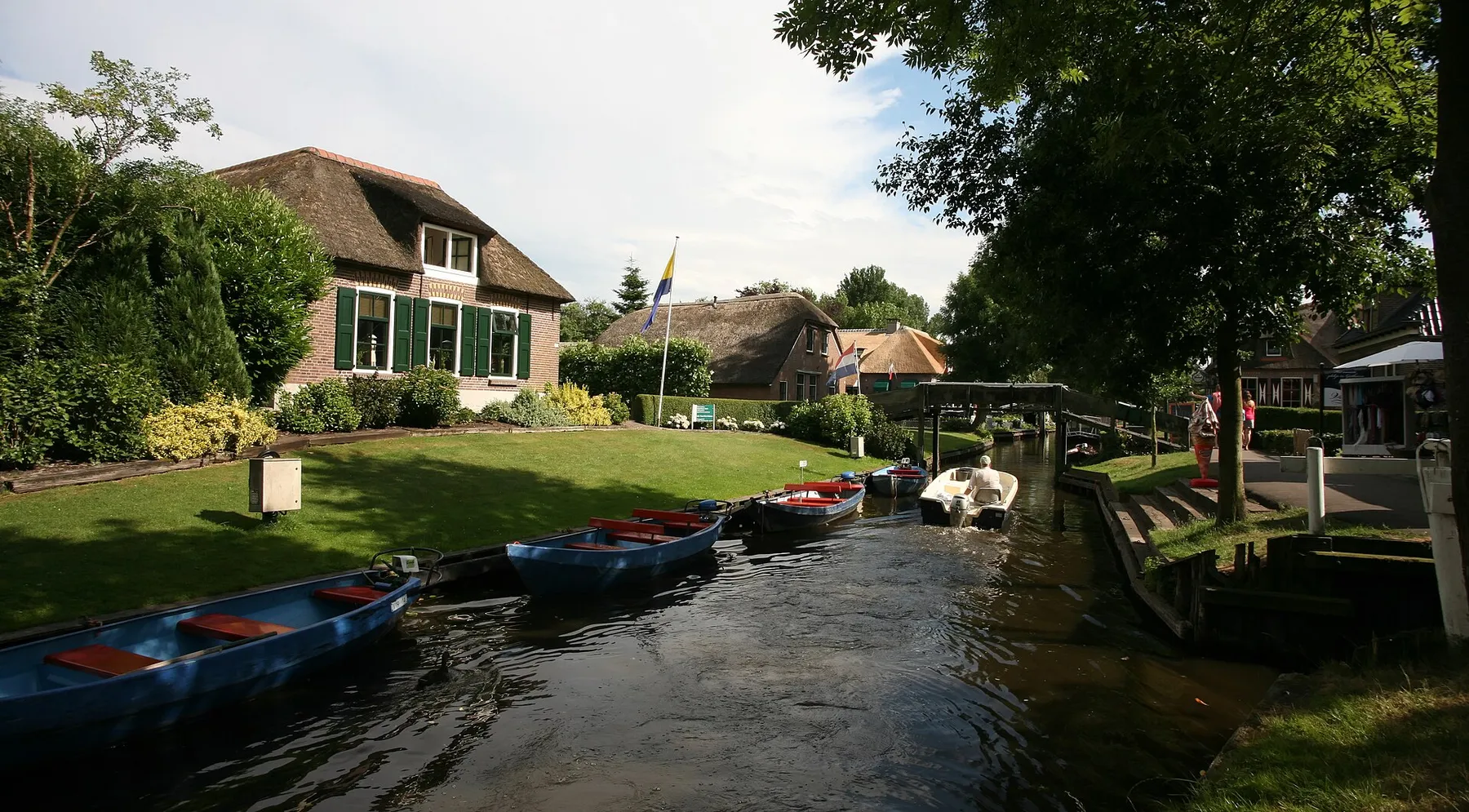
Natuurmonumenten designates three kanokampeerplekken in De Wieden: De Kluitenberg, Walengracht and Giethoorn Oost. You pitch on a wooden platform in the reeds, you may legally camp there for nothing, and the manager is clear that there are no facilities of any kind. No water, no toilet, no bin. Carry drinking water for the whole stay and carry every scrap back out.
The catch is in the first syllable. Kano. These platforms sit in the water and you arrive by paddle. A canoe and packable kit are the entry requirement, not the scenic option.
The pole moved to Belgium
The paalkamperen you can find online and actually book is over the border. In Nationaal Park Hoge Kempen in Belgian Limburg, Regionaal Landschap Kempen en Maasland runs it together with the Agentschap voor Natuur en Bos. Thorpark and the two sites in the Duinengordel are free; Terhills costs 15 euros per person per night plus 1.50 euros tourist tax. You book online for all of them. The limits are ten people, three tents at Thorpark and the Duinengordel, everything within 10 meters of the pole, pitch from 18:00 and gone by 10:00 (Terhills runs 17:00 to 09:30). Open fires are banned, except in the fire basket provided at Thorpark. You arrive on foot or by bike.
And the motorhome?
None of it is for you. Pole camping is walk-in or bike-in, the canoe platforms need a boat. For a vehicle in the Netherlands, the legal night is a campsite or a designated camperplaats, the kind of place a municipality creates using the article 4:19 mechanism. Book the nights ahead rather than trusting that something will turn up at seven in the evening. For how free overnighting works elsewhere in Europe, start at the rules and the wild camping rules hub; for the general question of sleeping in a parked vehicle, read overnight parking. Poland, which handles the same problem in the opposite direction, is covered in wild camping in Poland.
Sources
- Kamperen in de natuur (camping in nature), Natuurmonumenten
- Staatsbosbeheer stopt per 1 juni met paalkampeerterreinen (closure notice), Staatsbosbeheer
- Algemene plaatselijke verordening gemeente Epe 2026, Afdeling 5 Kamperen buiten kampeerterreinen
- Paalkamperen in het Nationaal Park Hoge Kempen (Belgium)
When a source is not in English, follow the link for the official wording.