What you are arriving at
What the sign says
In Brittany a stopover here means an aire de services, a stopover designated by the commune. Usually a small marked car park with a service point for water and waste, signed from the road.


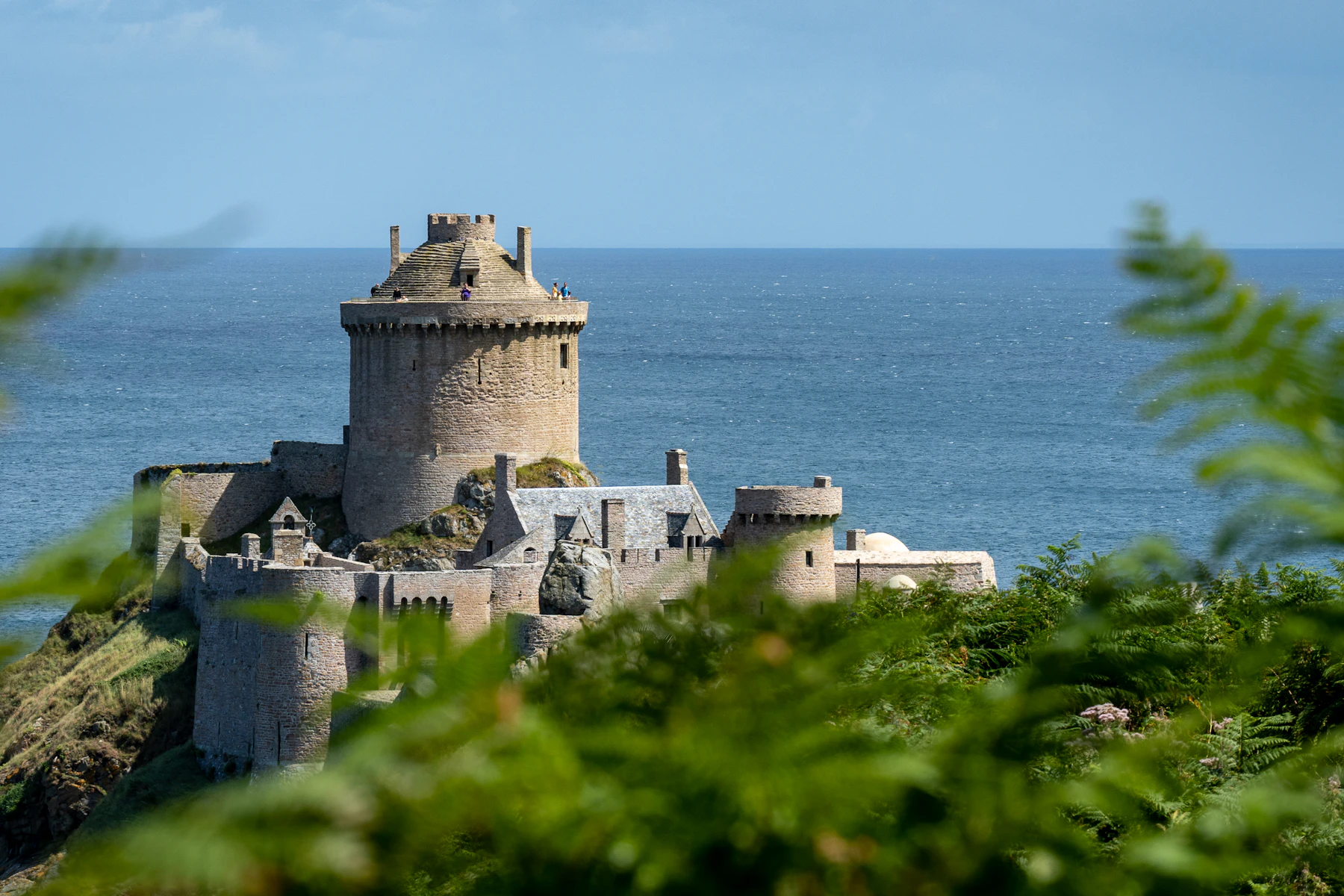
Brittany is one of the easiest places in France to travel free. The coastline is thick with small communes, most of them have an aire, and a good number of those cost nothing at all.
01 · Map
02 · Every place · 14
Group 01 · Brittany
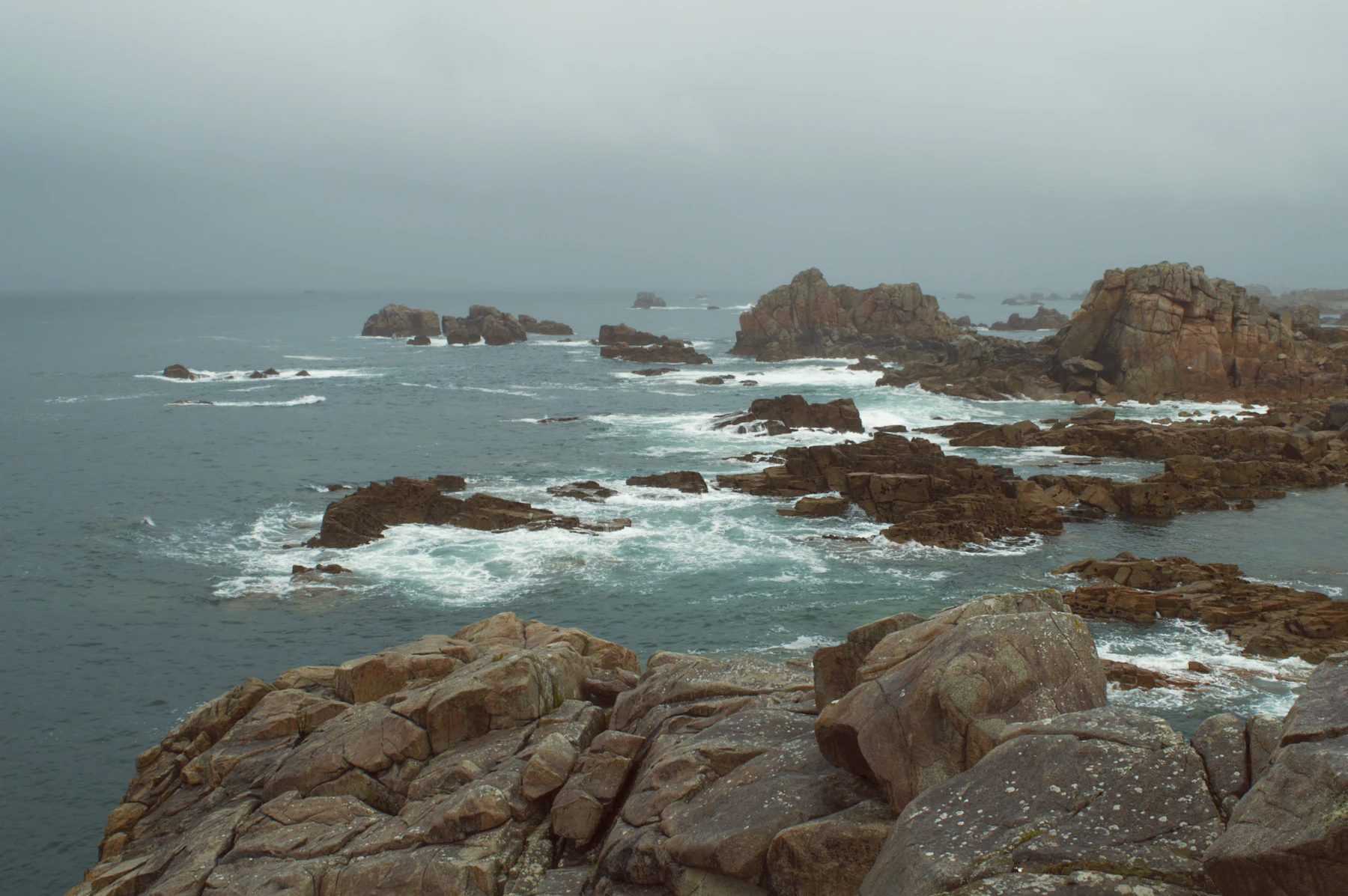 AireFree
Brittany · France
Checked Jul 20
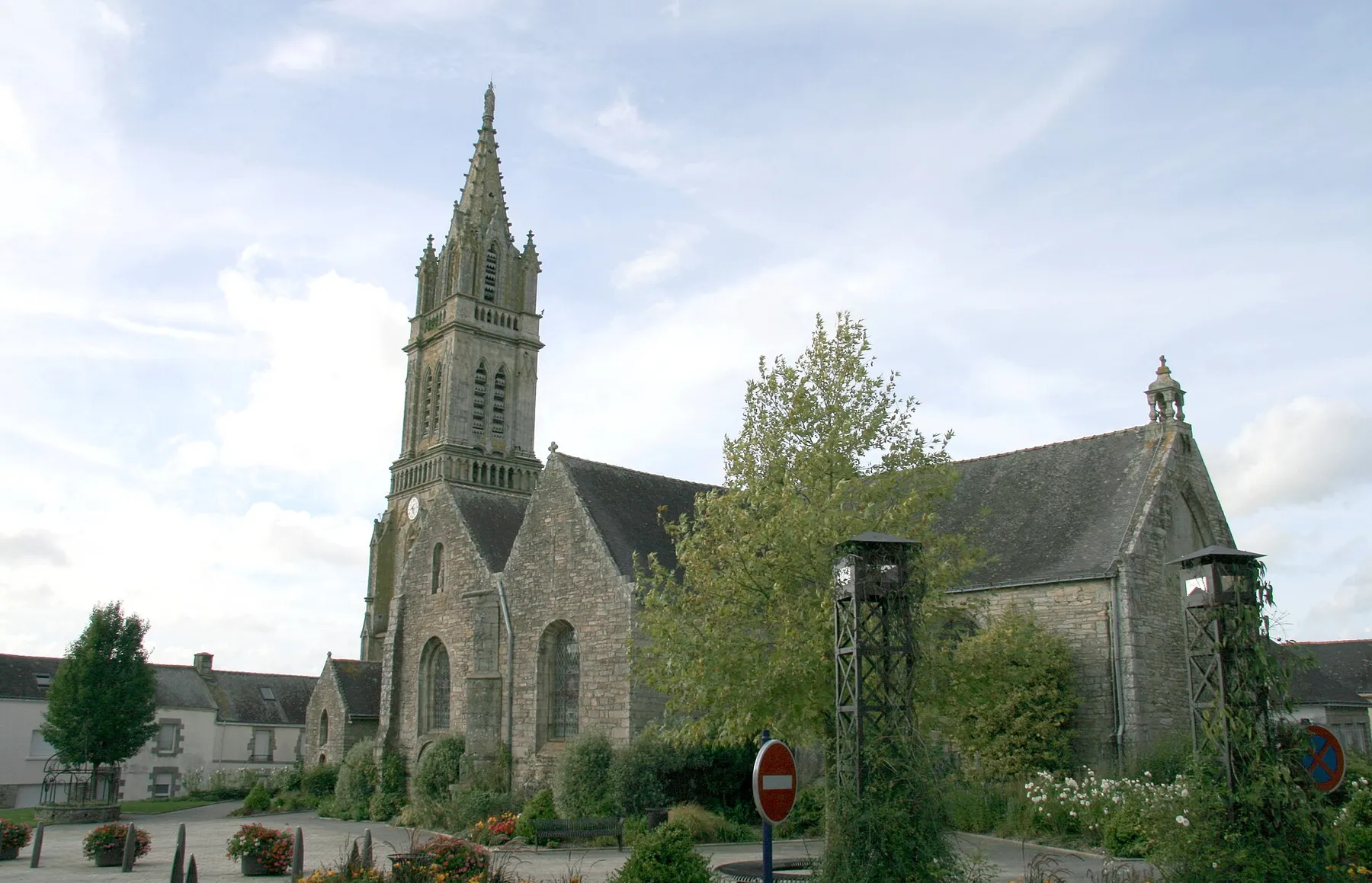 AireFree
Brittany · France
Checked Jul 20
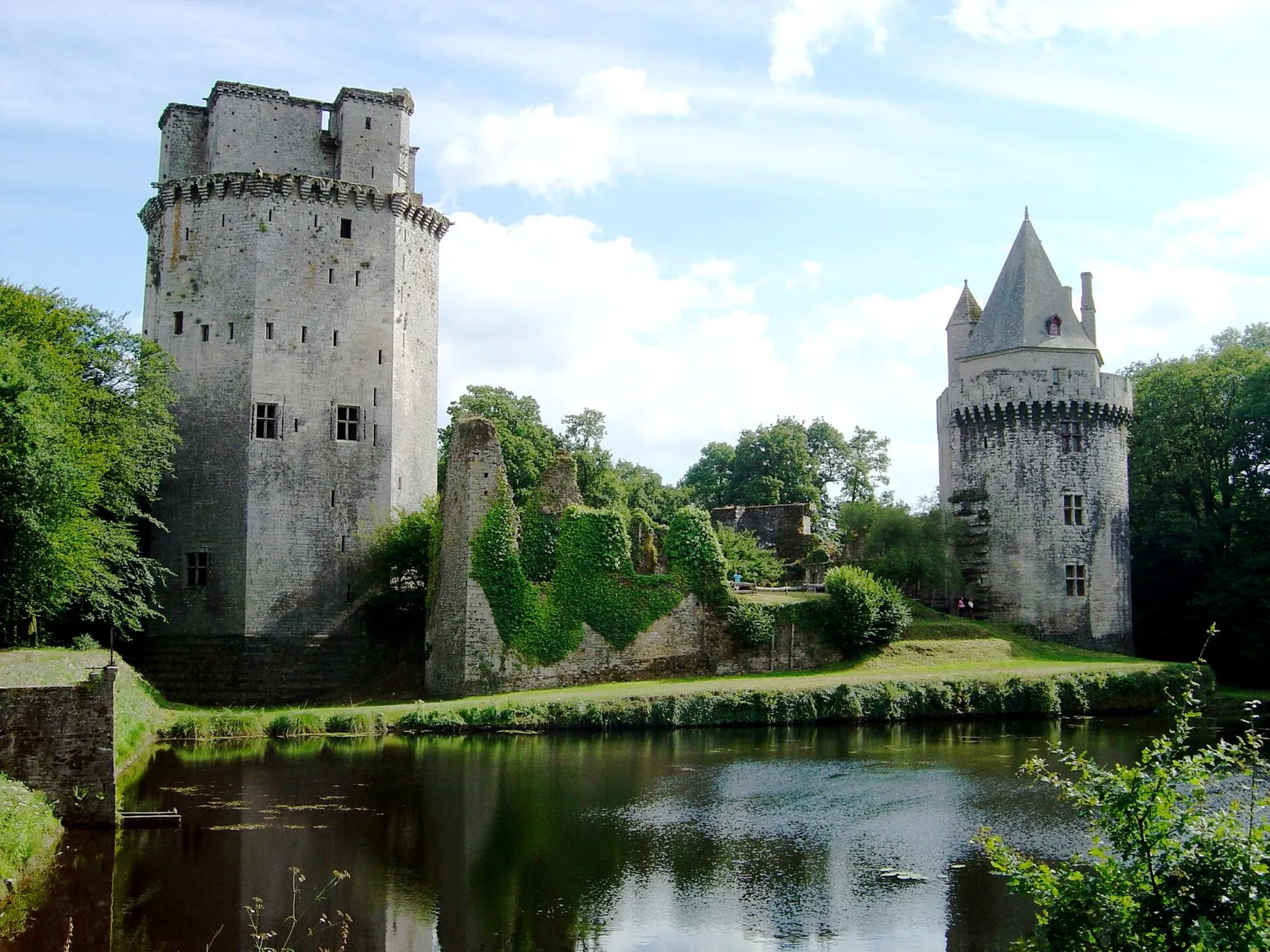 AireFree
Brittany · France
Checked Jul 20
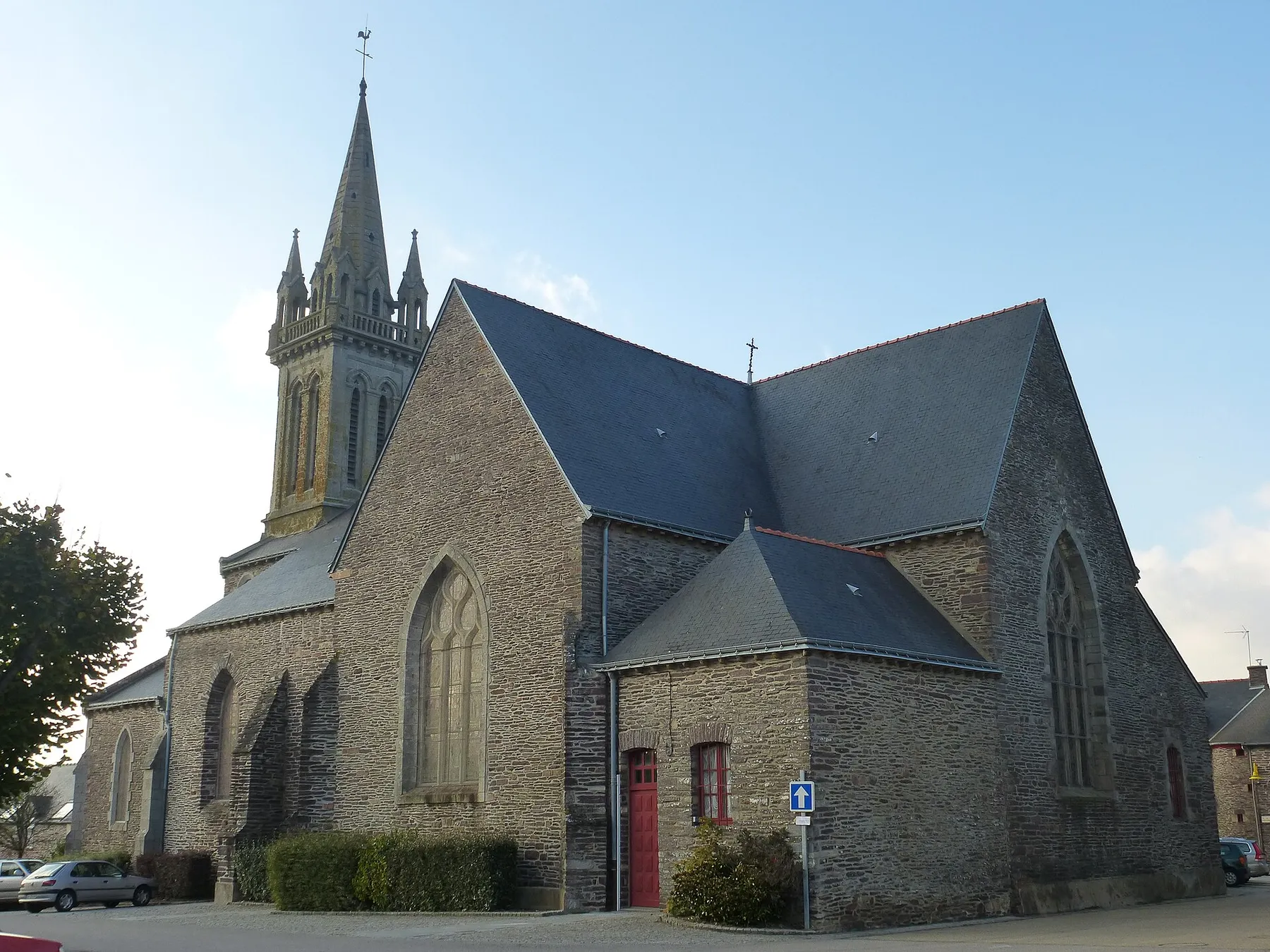 AireFree
Brittany · France
Checked Jul 20
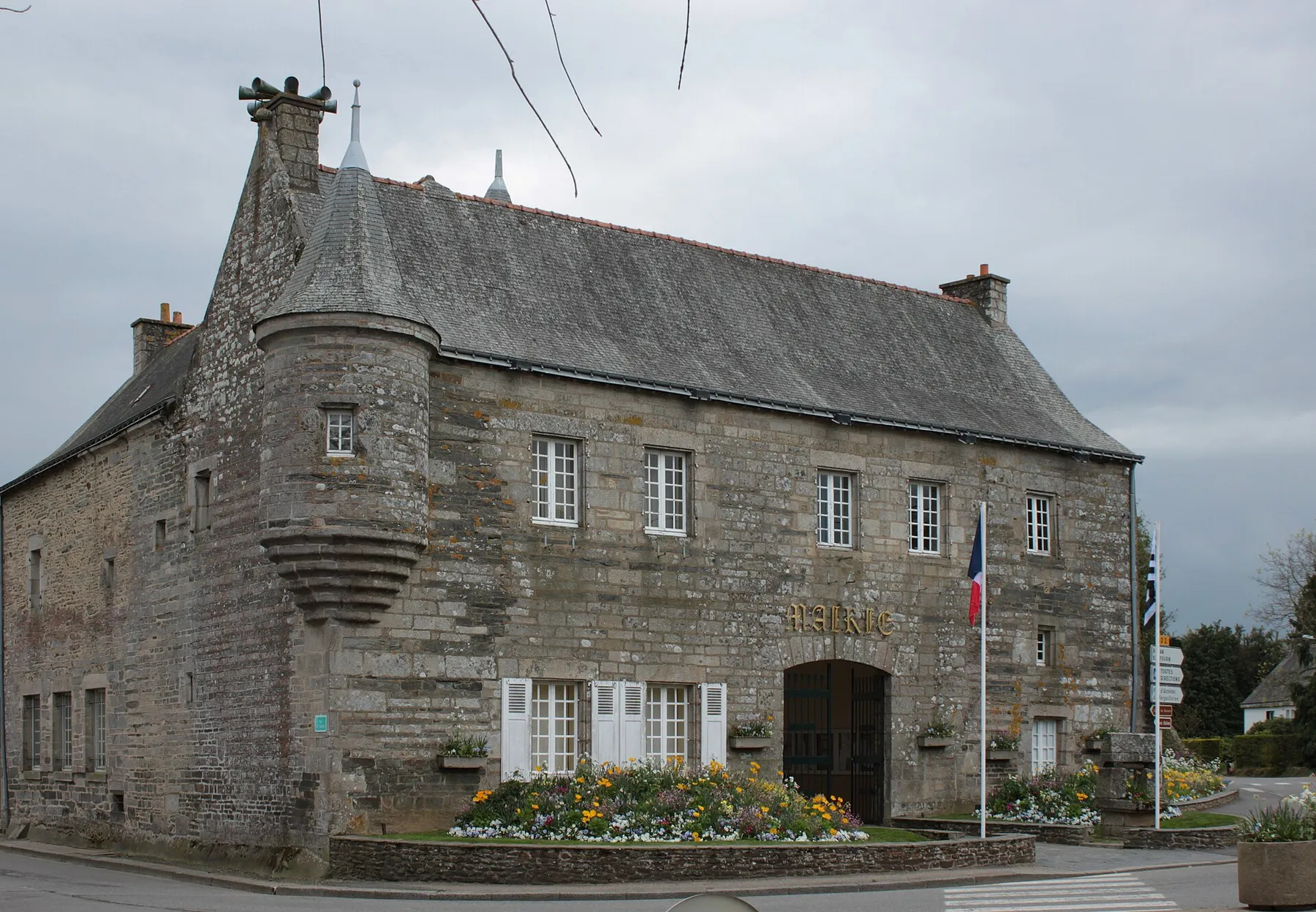 AireFee not stated
Brittany · France
Checked Mar 3
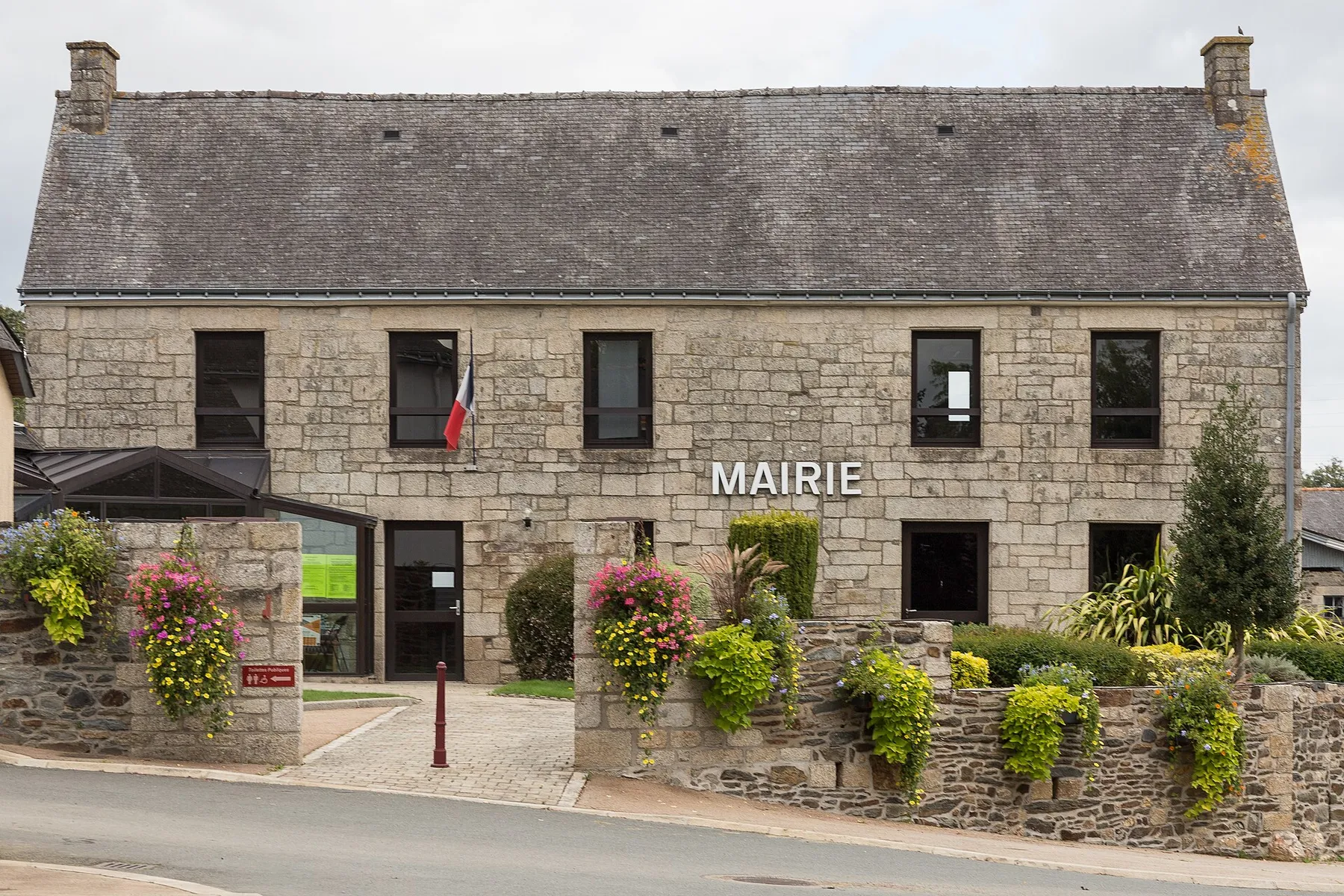 AireFee not stated
Brittany · France
Checked Mar 3
 AireFree
Brittany · France
Checked Jul 20
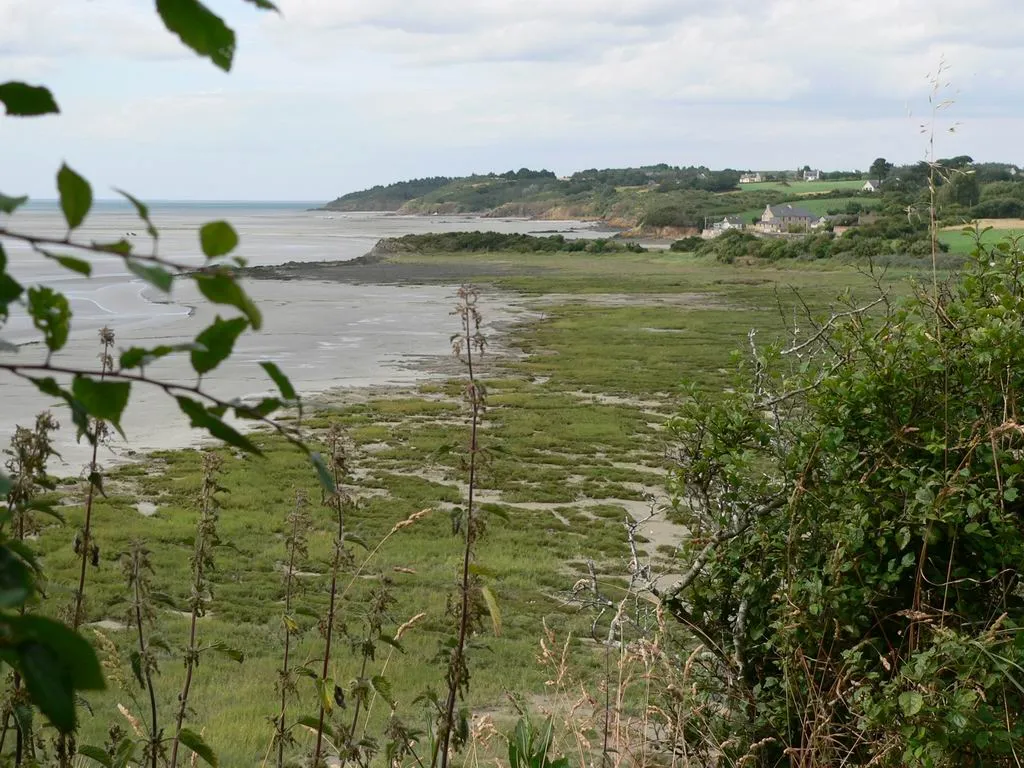 AireFree
Brittany · France
Checked Jul 20
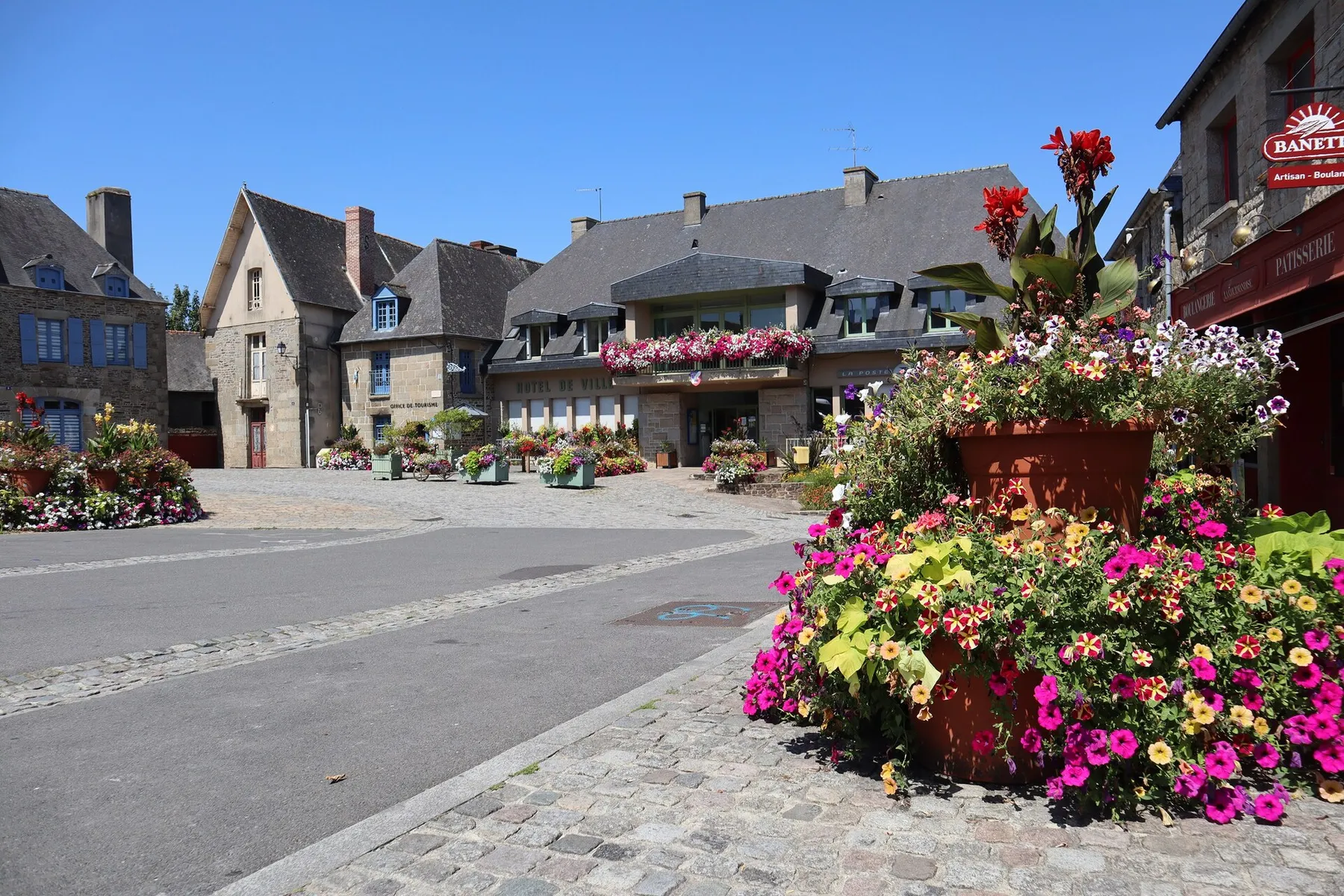 AireFree
Brittany · France
Checked Jul 20
 AireFree to park, pay for services
Brittany · France
Checked Jul 20
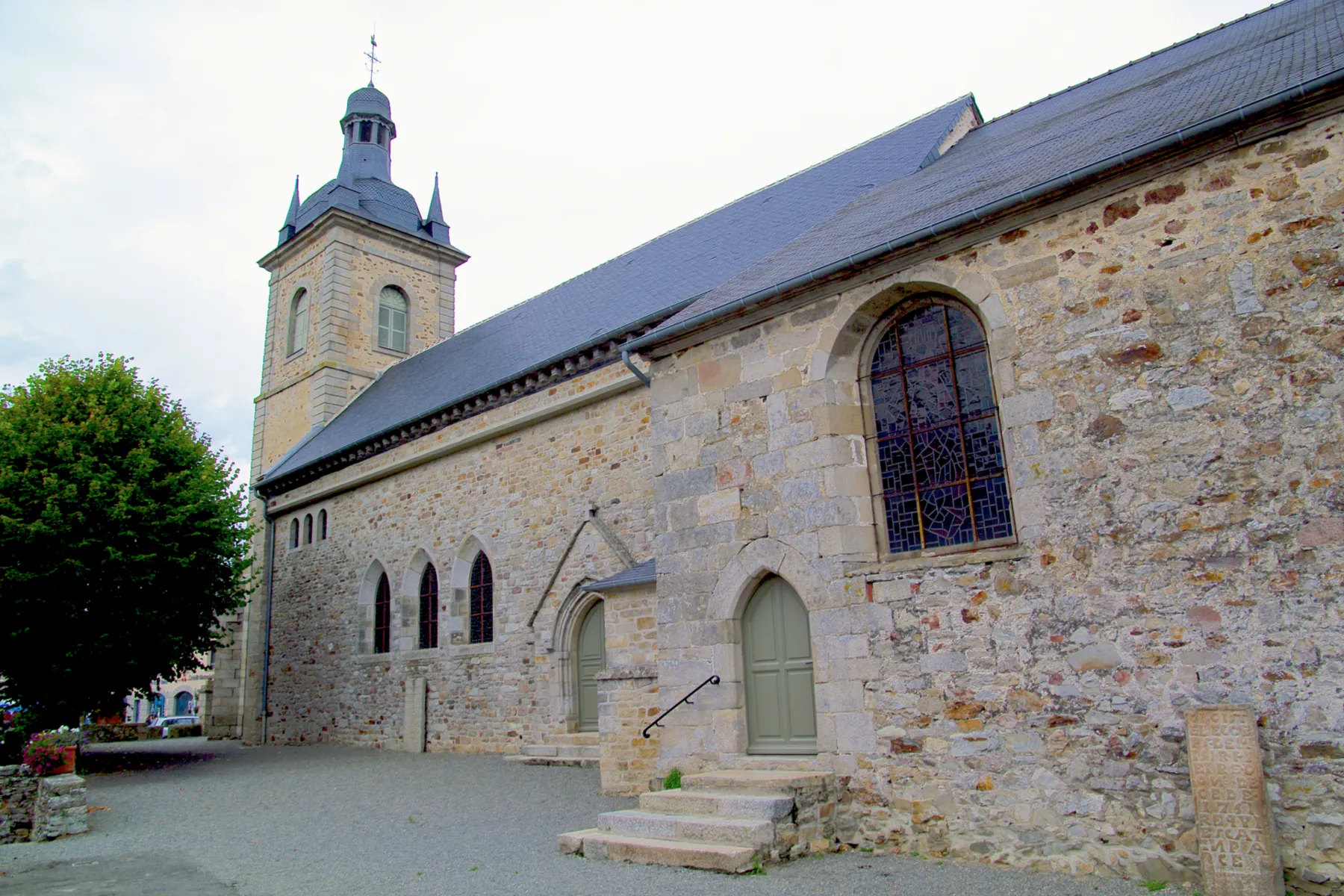 AireFree to park, pay for services
Brittany · France
Checked Jul 20
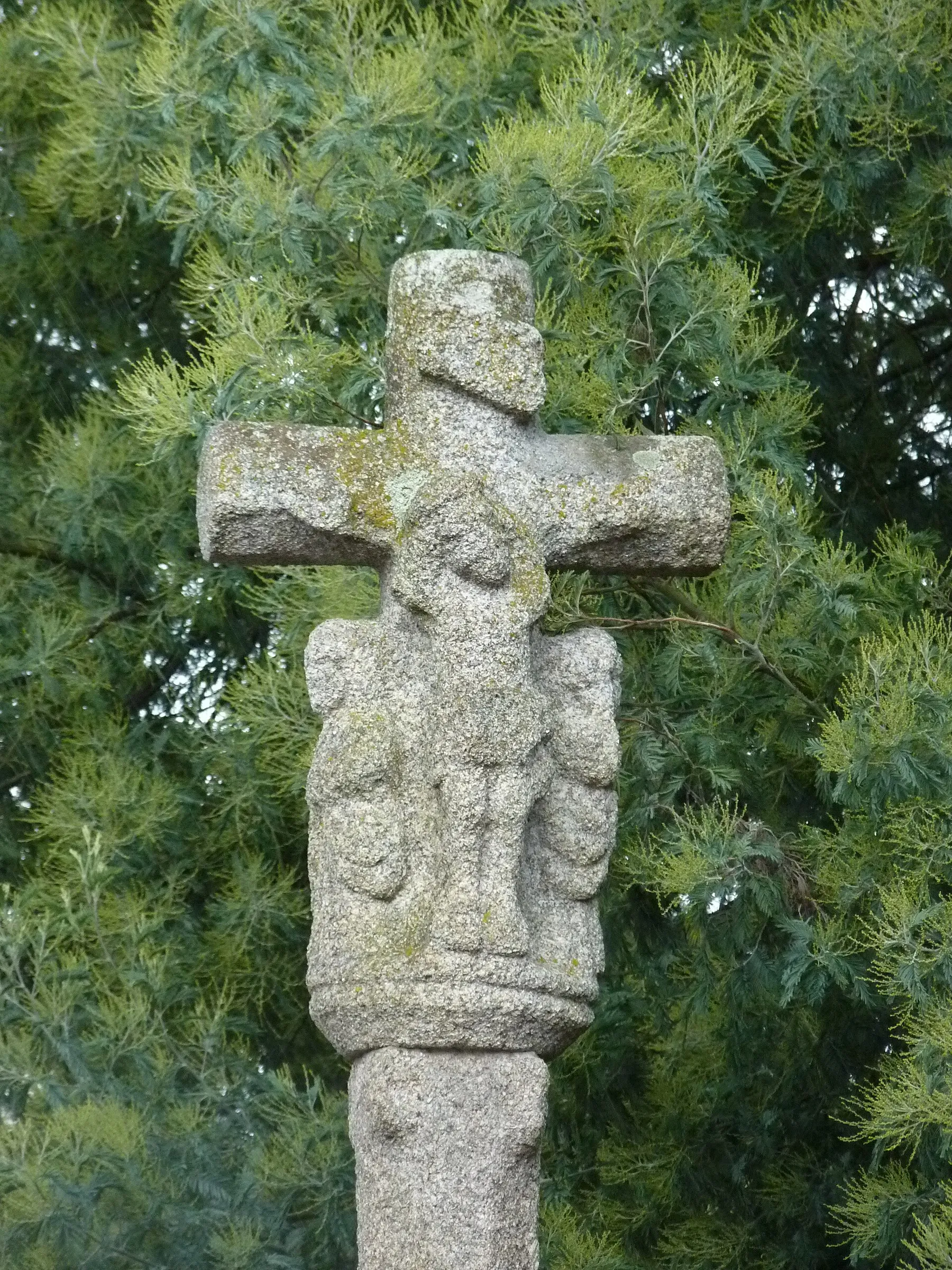 AireFree
Brittany · France
Checked Jul 20
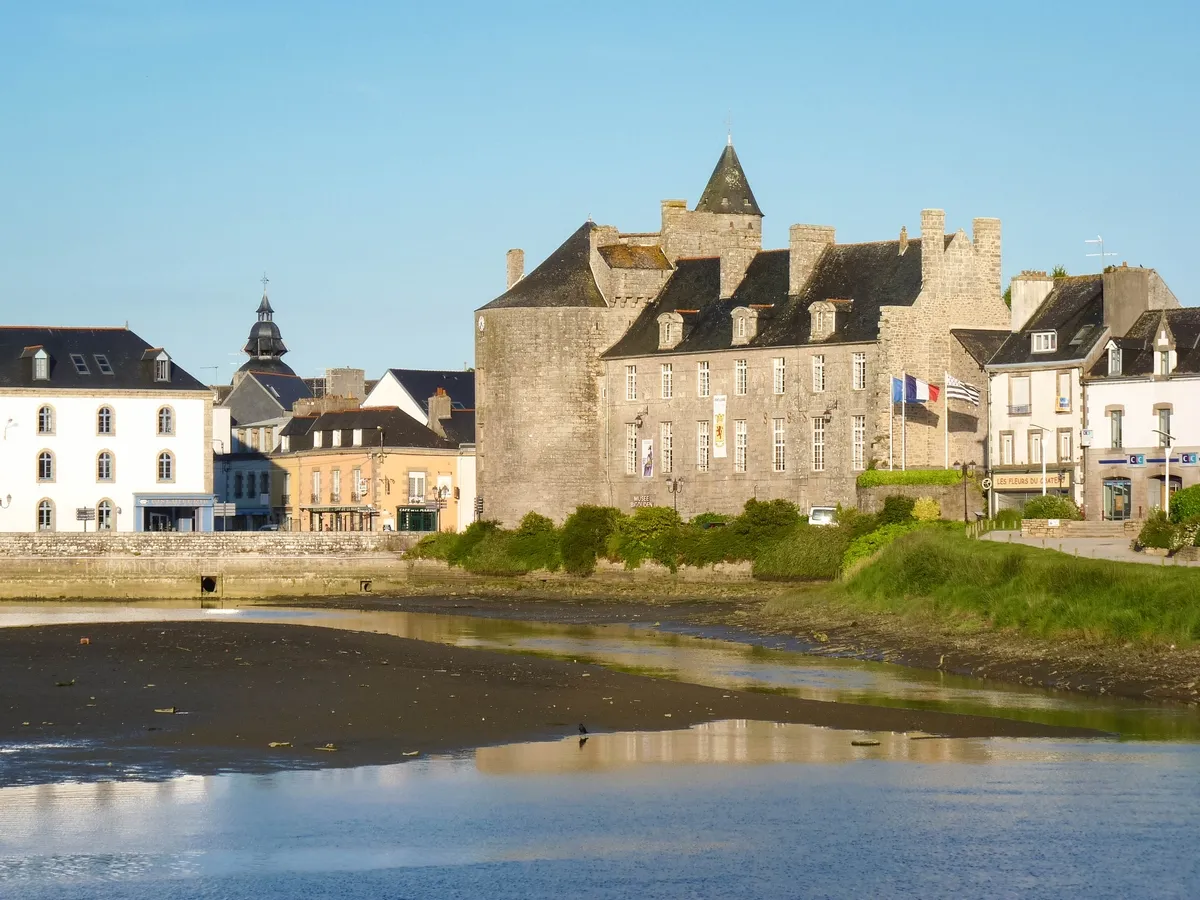 AireFree
Brittany · France
Checked Jul 19
Also here, straight from the source
No write-up on these. Open the source link for the fee, the facilities and the address before you drive out to one.
03 · Before you go
What you are arriving at
In Brittany a stopover here means an aire de services, a stopover designated by the commune. Usually a small marked car park with a service point for water and waste, signed from the road.
Fees
Free parking and free services are two different things. Where a place charges for water or power, its own page says so. Carry coins for the ones with no price posted.
Season
2 of these 14 stopovers publish opening hours. The rest do not. Where no season is published, treat the water as something to confirm rather than something to plan around, and arrive with a full tank in the cold months.
04 · The detail
Brittany rewards the way this kind of travel actually works. The distances between towns are short, so a bad stopover costs you twenty minutes rather than an evening, and the density of small coastal communes means there is nearly always another aire within reach.
The weather is the real variable. This is the Atlantic, and an exposed seafront car park that is idyllic in June is a different experience in a westerly gale.
The most useful thing to understand before you arrive is that the two halves of an aire are priced separately here, and the free tag on a map refers to the parking.
The Aire du Lavoir at Caulnes is the standard shape: free parking, 24 hours maximum, 10 unmarked spaces, and then a borne that charges 2 euros to empty, 2 euros for 15 minutes of drinking water and 3 euros for 3 hours of electricity. Jeton, meaning token, systems and coin meters are common. Elven is the generous end of the scale: its own commune page says both the water and the electricity are free, across 26 spaces, 12 marked at the rear and 14 open at the front, 800 metres from the shops.
At Saint-Benoît-des-Ondes, on the bay east of Saint-Malo, assume you will pay. Its tourist office page confirms a 24 hour aire with water and electricity bornes and card payment, and stops short of calling the parking free. Budget for a charge and have a card on you.
Short, and set locally rather than nationally. Caulnes publishes 24 hours. The Lermot aire above the beach at Hillion, in the Baie de Saint-Brieuc, publishes 48 hours, with public toilets and a dump point, day and night. Most Breton aires publish no limit at all, which is not the same as having none. Read the sign at the entrance, because that is usually where the number is.
That sign matters legally as well as practically. Article R111-34 of the Code de l’urbanisme lets a maire prohibit camping outside designated grounds by arrêté, and then says the prohibition is only enforceable against you if it has been made public by a notice at the mairie and by signs at the usual access points. The sign at the entrance is the mechanism, not a suggestion.
Mid-March to mid-November is the region’s service season. It shows up again and again in the commune pages: Elven states it is open 15 March to 15 November, and Caulnes gives exactly the same dates for its borne. Communes drain the water points to stop them freezing, and the season is set by that rather than by demand.
The parking often outlives the water. Plenty of aires stay open through the winter with the borne switched off. A November or February stop is entirely workable if you arrive with a full tank and empty cassettes, and it is by far the quietest way to see the Emerald Coast or the Golfe du Morbihan.
July and August fill the coast and empty the interior. The inland aires, around Brocéliande, the Marches de Bretagne and central Morbihan, stay findable in high summer while the seafront ones do not. If you are traveling in August, treat the coastal aire as the thing you get lucky with and the inland one as the plan.
The wind decides more than the temperature. Brittany is mild all year by French standards, and exposed. A seafront pitch at Hillion or Saint-Laurent de la Mer in a westerly is a genuinely rough night, and there is usually a sheltered alternative a few kilometers inland. That is a comfort call, not a rules one, but it is the one that spoils more nights here than anything else.
117 free places are mapped across Brittany, the largest count of any French region here. Treat it as a floor rather than a total: a blank part of the map is unmapped rather than empty, so carry a fallback for any leg where the pins thin out. Where this comes from
Two things to plan around:
05 · Frequently asked
The parking usually is. The borne, the service point, usually is not, and the two are priced separately. The Aire du Lavoir at Caulnes is free to park with a 24 hour maximum, while its borne charges 2 euros to empty, 2 euros for 15 minutes of water and 3 euros for 3 hours of electricity. Elven is the generous exception: its own commune page says water and electricity are free. At Saint-Benoit-des-Ondes, assume you will pay. It takes card, and the tourist office listing stops short of calling the parking free. Carry coins and a card.
Where a limit is published it is short, and it varies commune by commune rather than following a national rule. Caulnes states 24 hours maximum. The Lermot aire at Hillion states 48 hours. Plenty of aires publish no limit at all, which does not mean there is not one posted on the sign at the entrance. The sign at the site beats this page and beats the tourist office listing, because under Article R111-34 of the Code de l'urbanisme a maire's camping prohibition is only enforceable once it has been posted at the mairie and signed at the usual access points.
Many of the service points do, on a 15 March to 15 November pattern that repeats across the region. Elven states that season on its own page. Caulnes states the same dates for its borne. The parking often stays open when the water is off, so a winter stop can still work if you have filled up somewhere else. Do not plan a January tour around finding drinking water at a village aire.
Treat that as restricted by default. Article R111-33 of the Code de l'urbanisme prohibits isolated camping on the seashore and in listed sites unless a derogation has been granted by the competent authority, after the advice of the architecte des Batiments de France and the departmental commission on nature, landscapes and sites. That is a national rule, not a local one. On top of it, individual communes set their own parking rules for seafront car parks. With 117 named free places in a region this compact, the aire is almost always closer than the argument is worth.
117 free places are mapped, the most of any French region here and roughly two and a half times what Hauts-de-France has. On a quieter stretch, carry a fallback for that leg and check the commune's own page when you get close.
06 · Nearby